The Power of Compound Interest
Albert Einstein allegedly called compound interest the "eighth wonder of the world." Whether he said it or not, the sentiment is accurate. Compound interest is the process where your investment earnings generate additional earnings over time.
Understanding the Mathematics
The formula for compound interest is:
A = P(1 + r/n)^(nt)
Where:
- A = Final amount
- P = Principal (initial investment)
- r = Annual interest rate
- n = Number of times interest compounds per year
- t = Time in years
Real-World Example
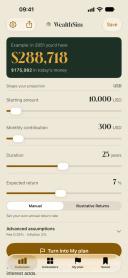
Let's say you invest $10,000 today with a 7% annual return and add $500 monthly. Like our calculator, these figures compound monthly and add each contribution at the start of the month:
- After 10 years: $107,144
- After 20 years: $302,370
- After 30 years: $694,709
- After 40 years: $1,483,177
The key to building wealth isn't about timing the market. It's about time IN the market.
Starting Early Makes All the Difference
The $1 Million Challenge
Consider two investors, both earning 7% a year:
| Investor | Start Age | Monthly Contribution | End Age | Total Invested | Final Balance |
|---|---|---|---|---|---|
| Emma | 25 | $500 | 65 | $240,000 | $1,320,000 |
| James | 35 | $500 | 65 | $180,000 | $614,000 |
Emma invested only $60,000 more than James but ended up with $707,000 more due to starting 10 years earlier.
The First $100,000 is the Hardest
Charlie Munger famously said the first $100,000 is the hardest to save. Here's why:
- You're learning to live below your means
- Your salary might be lower early in your career
- Compound interest hasn't had time to accelerate
- Life expenses (housing, starting a family) compete for your dollars
But once you hit $100,000, the magic happens. At 7% annual returns, that $100,000 generates $7,000 per year without any additional contributions.
Maximizing Your Compound Returns
1. Start Today, Not Tomorrow
Every day you delay costs you money. If you're 25 and wait just one year to start investing $500/month at 7% returns, you'll have about $95,000 less at age 65.
2. Increase Contributions Over Time
Try the 1% strategy: Increase your monthly contributions by 1% every year. As your salary grows, your savings grow proportionally.
3. Minimize Fees
A 1% annual fee might seem small, but over 30 years it can cost you over $1 million on a $500,000 portfolio growing at 7% a year: about $3.0 million at the end instead of $4.1 million.
- Target expense ratios under 0.20% (index funds)
- Avoid actively managed funds with 1%+ fees
- Use tax-advantaged accounts (401k, IRA, TFSA)
4. Reinvest All Dividends
Dividends should be automatically reinvested. Over time, dividend reinvestment can account for 30-40% of total returns in the stock market.
Common Mistakes to Avoid
Mistake #1: Trying to Time the Market
Studies show that missing just the 10 best days in the market over 30 years can cut your returns in half. Stay invested through ups and downs.
Mistake #2: Pulling Money Out Early
Every dollar you withdraw loses not just its current value, but all future compound growth. A $10,000 withdrawal at age 30 costs you about $115,000 by age 65 (35 years at 7% a year).
Mistake #3: Being Too Conservative
Keeping money in savings accounts earning 1-2% while inflation runs at 3% means you're losing purchasing power every year.
Action Steps
Ready to harness compound interest? Here's your roadmap:
- Calculate your target: Use our Compound Interest Calculator to see what monthly contributions will get you to your goal
- Automate everything: Set up automatic transfers to investment accounts
- Choose low-cost index funds: Target expense ratios under 0.20%
- Never stop learning: Markets change, but the principles of compound interest don't
Conclusion
Compound interest isn't magic. It's mathematics. But the results can feel magical when you see your money growing exponentially over decades.
Further Reading
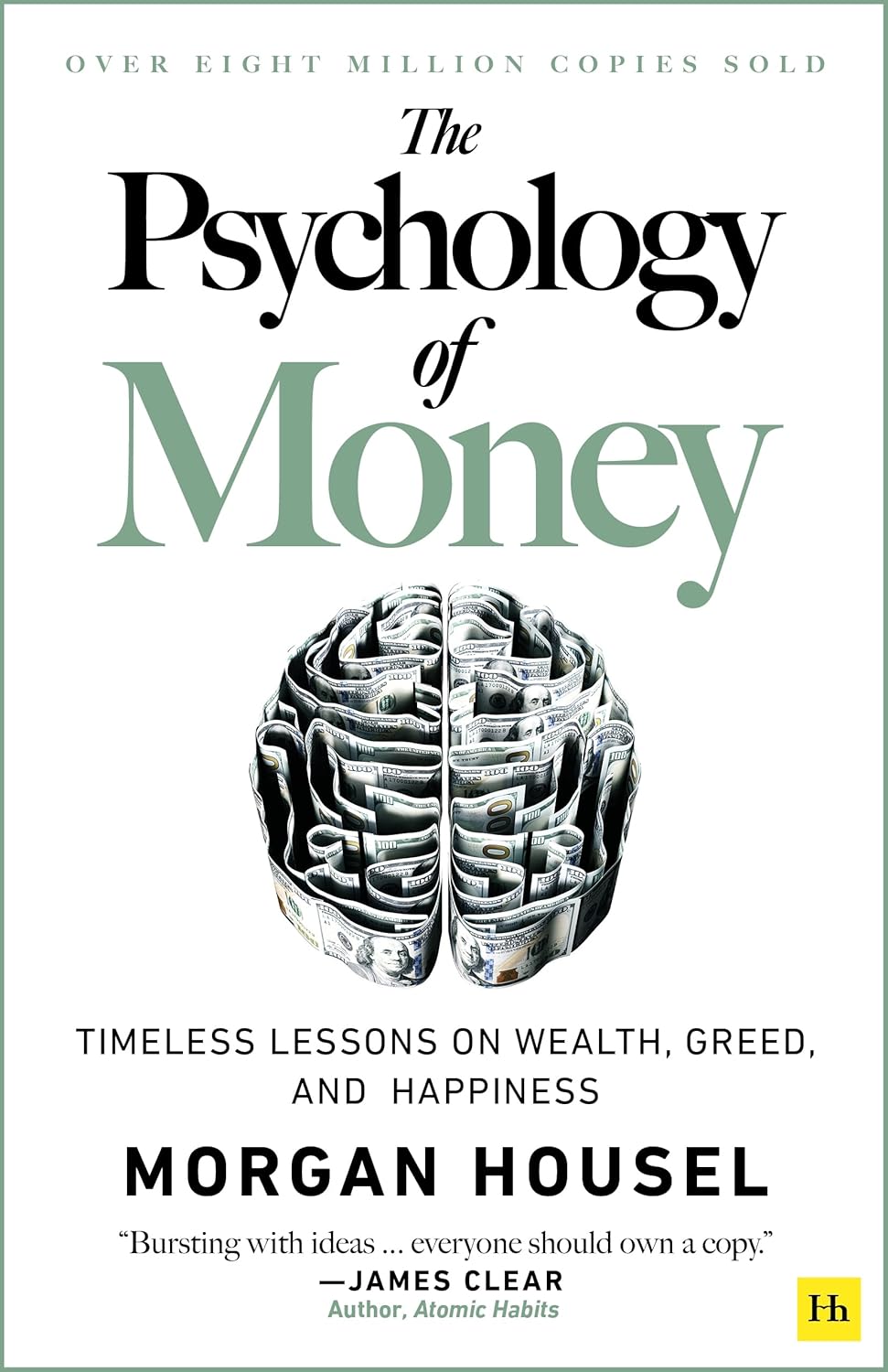
The Psychology of Money
By Morgan Housel
Understanding human behavior around money is more important than financial formulas. Housel distills complex financial concepts into engaging stories, showing how emotions and biases shape our financial decisions.
Learn MoreAffiliate link: if you buy through it, WealthSim may earn a commission at no extra cost to you.
The best time to start was 10 years ago. The second-best time is today. Use our calculators to run your numbers and see your potential future wealth.
Ready to see how compound interest can work for you? Try our Compound Interest Calculator and model different scenarios.